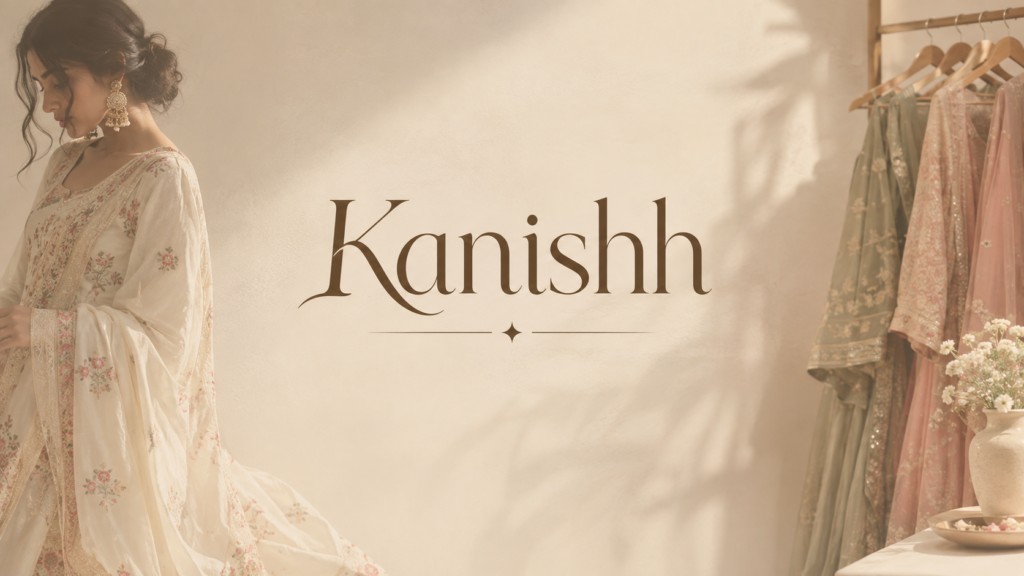
Indian Fashion: A Beautiful Blend of Tradition, Culture and Modern Style
Indian Fashion is a beautiful expression of India’s rich culture, traditions, creativity, and modern lifestyle. From elegant sarees and colorful lehengas to stylish kurtis and contemporary fusion outfits, Indian Fashion offers a wide variety of clothing styles for every occasion.
India is known for its beautiful fabrics, traditional embroidery, handcrafted designs, and regional clothing. Today, Indian Fashion is not limited to India. It has become popular around the world because it beautifully combines traditional craftsmanship with modern trends.
1. Indian Fashion and India’s Cultural Heritage
Indian Fashion represents the diverse cultural heritage of India. Every region has its own traditional clothing, fabrics, colors, embroidery, and weaving techniques.
Some popular examples of traditional Indian Fashion include:
- Banarasi sarees from Varanasi
- Kanchipuram sarees from South India
- Punjabi suits and Phulkari
- Gujarati Bandhani
- Rajasthani prints
- Lucknow Chikankari
- Kalamkari designs
- Zardozi embroidery
- Gota Patti work
- Ajrak printing
These traditional techniques continue to influence modern clothing designs and help preserve India’s cultural identity.
2. Sarees in Indian Fashion
The saree is one of the most recognizable symbols of Indian Fashion. It is an elegant and versatile outfit that can be worn by women of different ages and body types.
Sarees are available in many fabrics and designs, including:
- Cotton sarees
- Banarasi sarees
- Chanderi sarees
- Organza sarees
- Silk sarees
- Linen sarees
- Georgette sarees
- Kanchipuram sarees
A saree can be styled for weddings, festivals, office events, parties, and everyday occasions. Modern blouses, belts, jackets, and statement jewelry can give a traditional saree a contemporary Indian Fashion look.
3. Kurtis in Indian Fashion
Kurtis have become an important part of modern Indian Fashion because they offer both comfort and style.
Cotton kurtis can be worn with leggings, jeans, trousers, or palazzo pants for everyday fashion. Embroidered and embellished kurtis are perfect for festivals and special occasions.
Popular kurti styles include:
- Straight kurtis
- Anarkali kurtis
- Long kurtis
- Printed kurtis
- Embroidered kurtis
- Palazzo kurti sets
- Sharara sets
- Gharara sets
The popularity of kurtis shows how Indian Fashion can be comfortable, stylish, and suitable for modern lifestyles.
4. Lehenga and Festive Indian Fashion
Lehengas are another important part of Indian Fashion. They are especially popular during weddings, festivals, celebrations, and traditional events.
Traditional lehengas often feature:
- Mirror work
- Zari embroidery
- Sequins
- Gota Patti
- Floral patterns
- Beadwork
- Traditional motifs
Modern designers are creating lightweight lehengas in pastel colors with minimal embroidery and contemporary blouse designs.
This combination of traditional details and modern styling has made lehengas one of the most popular choices in contemporary Indian Fashion.
5. Indian Fashion and Fusion Style
Fusion fashion is one of the fastest-changing areas of Indian Fashion. It combines traditional Indian clothing with modern Western styles.
Some popular fusion combinations include:
- Kurti with jeans
- Saree with a modern blouse
- Saree with a stylish belt
- Kurta with trousers
- Dupatta with Western dresses
- Ethnic jacket with a modern outfit
- Indian jewelry with Western clothing
- Traditional prints on contemporary dresses
Fusion Indian Fashion is especially popular among younger generations because it allows people to express their personality while maintaining a connection with traditional culture.
6. Fabrics Used in Indian Fashion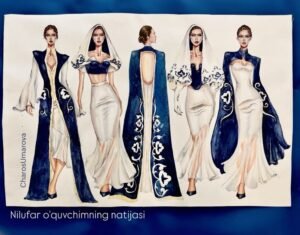
One of the most attractive features of Indian Fashion is its variety of fabrics.
Popular Indian fabrics include:
- Cotton
- Silk
- Khadi
- Linen
- Georgette
- Chiffon
- Velvet
- Organza
Indian handloom fabrics are admired for their unique patterns and craftsmanship. Many traditional fabrics require skilled artisans who spend considerable time creating detailed designs.
Supporting handloom clothing also helps preserve traditional Indian textile techniques.
7. Embroidery and Handcrafted Indian Fashion
Handcrafted designs are an important part of Indian Fashion. Indian artisans use different embroidery techniques to create beautiful patterns on sarees, kurtis, lehengas, suits, and accessories.
Popular embroidery techniques include:
- Chikankari
- Zardozi
- Phulkari
- Kantha
- Mirror work
- Gota Patti
- Aari work
- Dori embroidery
Modern designers are combining these traditional techniques with contemporary silhouettes to create fashionable outfits for today’s customers.
8. Accessories in Indian Fashion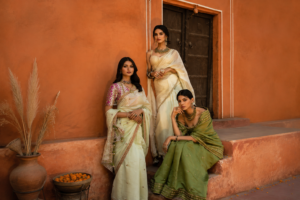
Accessories can completely transform an Indian Fashion outfit. Traditional jewelry adds elegance and helps complete an ethnic look.
Popular Indian fashion accessories include:
- Jhumkas
- Bangles
- Necklaces
- Maang Tikas
- Rings
- Anklets
- Potli bags
- Traditional sandals
- Handcrafted footwear
- Scarves
Minimal jewelry works well for everyday outfits, while statement jewelry can create a bold look for weddings and festivals.
9. Sustainable Indian Fashion
Sustainability is becoming increasingly important in the fashion industry. Traditional Indian Fashion naturally includes many sustainable elements such as handloom fabrics, natural materials, handcrafted clothing, and long-lasting designs.
People can support sustainable Indian Fashion by:
- Choosing handloom clothing
- Supporting local artisans
- Buying handcrafted products
- Choosing natural fabrics
- Reusing old sarees
- Upcycling traditional clothes
- Buying durable garments
- Reducing unnecessary fast-fashion purchases
Reusing an old saree to create a new blouse, skirt, dress, or bag is a creative way to reduce textile waste.
10. Indian Fashion Around the World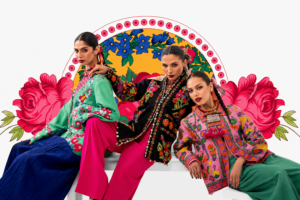
Indian Fashion has gained popularity internationally. Sarees, lehengas, kurtis, Indian jewelry, handloom fabrics, and traditional accessories are now appreciated by people in many countries.
Social media platforms have also helped Indian designers showcase their collections to international audiences. Fashion creators share styling ideas and demonstrate how traditional Indian clothing can be worn in modern ways.
The growing international interest in Indian Fashion demonstrates the global appeal of India’s traditional craftsmanship.
11. Modern Indian Fashion Designers
Modern designers are playing an important role in developing Indian Fashion. They combine traditional techniques with contemporary designs to create clothing that suits modern lifestyles.
Designers experiment with:
- Modern silhouettes
- New color combinations
- Traditional embroidery
- Sustainable fabrics
- Fusion clothing
- Minimal designs
- Contemporary accessories
- Innovative styling
This combination helps Indian Fashion remain connected to its roots while continuing to evolve.
12. Indian Fashion for the Younger Generation
The younger generation is showing increasing interest in Indian Fashion. Young people often combine traditional clothing with modern outfits to create unique personal styles.
For example, a kurti can be paired with jeans, traditional jewelry can be worn with a Western dress, and a saree can be styled with a modern blouse.
These combinations demonstrate how Indian Fashion can adapt to modern lifestyles while maintaining its cultural identity.
13. The Future of Indian Fashion
The future of Indian Fashion looks promising. Technology, online shopping, social media, sustainable fashion, and international interest are creating new opportunities for Indian designers and artisans.
Small designers and local businesses can now reach customers beyond their local markets through online platforms. This has helped traditional Indian clothing become more accessible to fashion lovers around the world.
The combination of traditional craftsmanship and modern design will continue to shape the future of Indian Fashion.
Conclusion: The Beauty of Indian Fashion
Indian Fashion is much more than clothing. It represents India’s culture, traditions, creativity, craftsmanship, and diversity.
From sarees and kurtis to lehengas, jewelry, handloom fabrics, and handcrafted accessories, every element tells a unique story.
The growing popularity of Indian Fashion shows that traditional styles can successfully adapt to modern trends. By combining cultural heritage with contemporary design, Indian fashion continues to create a unique identity in the global fashion industry.
With sustainable practices, innovative designers, skilled artisans, and growing international interest, the future of Indian Fashion is bright. It will continue to inspire people around the world while proudly preserving the beauty of India’s traditions.